Twickenham drain repairs may become necessary when pipe movement starts to affect the way wastewater flows underground. A drain can move slightly after ground settlement, heavy rain, nearby building work, root pressure, ageing pipework or poor support around the pipe. At first, the problem may only look like a slow drain or a blockage that keeps coming back.
However, movement inside a drain can create dips, open joints, cracks, rough edges and low spots where waste starts to catch. As a result, the same section may block again even after a normal clearance visit.
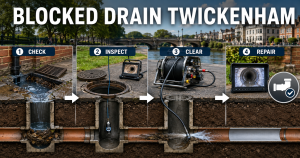
Twickenham Drains24 helps homeowners, landlords and businesses with drain unblocking, CCTV drain surveys, drain repairs and emergency drainage issues across Twickenham and nearby areas.
Why pipe movement can lead to Twickenham drain repairs
Drain pipes need a clear path and a steady fall so wastewater can move away from the property. When a pipe shifts, drops or pulls away at a joint, the flow can slow down. Waste, wipes, grease, silt and paper can then catch around the affected section.
Small movement does not always mean the whole drain needs replacing. Even so, it can point to a fault that needs checking before the problem grows. In many cases, engineers need a CCTV survey to see whether the pipe has a crack, a displaced joint, a dip or a more serious break.
This is why repeat blockages need more than guesswork. A drain may clear for a short time, but the same fault can keep catching waste again.
Common causes of drain pipe movement
Drain pipes can move for several reasons. Some relate to the age of the property, while others come from changes around the garden, driveway or building.
- Ground settlement around older pipe runs.
- Heavy rain washing fine material away from the pipe bedding.
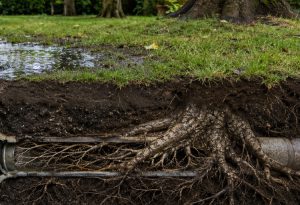
- Tree roots pushing into weak joints.
- Old clay pipes cracking or shifting at the joints.
- Building work near existing drainage runs.
- Driveway or patio work changing ground levels.
- Poor support under the pipe.
- Previous repairs that left the run uneven.
- Vehicles passing over weaker pipe sections.
- Soil movement around extensions, outbuildings or garden walls.
Some faults happen slowly. Therefore, a homeowner may not spot the issue until water starts backing up, smells return or the drain blocks more often.
Signs that pipe movement may sit behind a blockage
A single blockage does not always mean the pipe has moved. Many drains block because of grease, wipes, leaves or everyday waste. However, certain patterns can point to a deeper fault.
Watch for:
- The same drain blocking again after clearance.
- Gurgling from toilets, sinks, baths or showers.
- Water draining slowly from more than one fixture.
- Bad smells near an inspection chamber or outside drain.
- Water holding in a chamber instead of flowing away.
- Waste catching around one point in the drain.
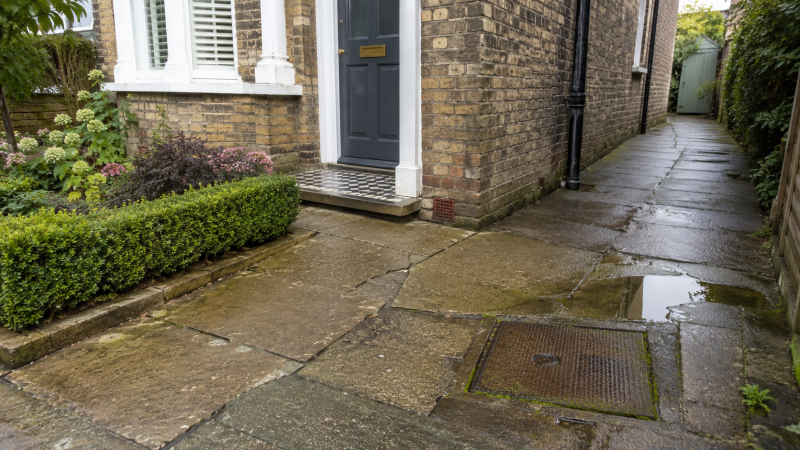
- Damp ground, sunken paving or movement near a chamber.
- Drain problems after heavy rain.
- Blockages near an extension, patio or driveway.
- CCTV footage showing cracks, dips or open joints.
These signs do not prove pipe movement on their own. However, they give engineers a reason to check the drain rather than only clear the blockage.
Why repeat blockages need a closer check
A repeat blockage often means something in the drain keeps catching waste. The cause may involve grease, wipes, scale, roots, silt or pipe damage. Pipe movement can make all of these problems worse because it creates a rough or low section inside the run.
For example, a displaced joint can leave a small step inside the pipe. Waste can catch on that step. A dip can hold water and silt. A cracked section can let roots enter. Over time, the drain may start to block more often.
A drain unblocking visit can restore flow, but a repeat fault may need CCTV inspection before anyone can find the main cause.
How CCTV surveys help confirm pipe movement
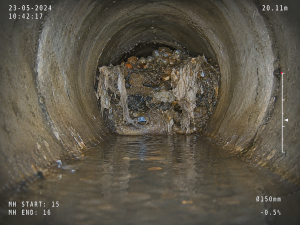
A CCTV drain survey gives engineers a direct view inside the pipe. The camera can show whether the drain has cracks, open joints, root entry, standing water, dips, silt or signs of collapse.
This matters because the surface problem rarely tells the full story. A toilet may back up because of a blockage, but the blockage may have formed around a damaged joint several metres away.
A CCTV drain survey can also help record the position of the fault. That makes repair planning much easier, especially where the pipe runs under paving, a driveway, a side path or a garden feature.
Older Twickenham homes and clay drainage
Many older homes use clay drainage pipes. Clay can last a long time, but old joints can shift, crack or open as the ground changes. Nearby roots may also find their way into weak joints, especially where moisture escapes from the pipe.
Twickenham also has many properties with rear additions, side returns, patios, garden offices and changed driveways. These changes can place extra pressure near older drain runs or make access harder when faults appear.
Because of this, engineers often need to check the full pipe path rather than only the nearest visible drain.
Pipe dips and standing water
A pipe dip happens when part of the drain drops below the correct level. Wastewater then slows down or sits in the low section. This low point can collect silt, paper and grease.
At first, the drain may still work. However, the dip can keep holding material until the pipe blocks again. If the dip grows worse, the drain may need repair work to restore a better flow path.
Standing water on CCTV footage can help show where the pipe has lost its fall. It can also show whether the problem affects a short section or a longer run.
Displaced joints and cracks
A displaced joint appears when two pipe sections no longer line up cleanly. Even a small step can catch waste. It may also allow soil or roots to enter the pipe.
Cracks create another problem. They can let water escape into the ground and allow fine material to wash into the drain. If the crack grows, the pipe may weaken further.
When engineers plan drain repairs, they need to know whether the fault involves one joint, a short damaged section or a wider pipe run.
When pipe movement becomes urgent
Some pipe movement problems can wait for planned inspection and repair advice. Others need fast attention, especially when the drain affects toilets, foul water or the inside of the property.
Call for help quickly if:
- Foul water backs up into the property.
- Toilets stop flushing properly.
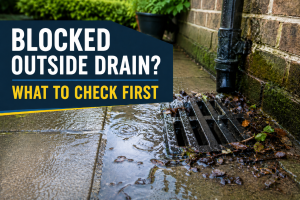
- An outside drain overflows with wastewater.
- Several fixtures drain slowly at the same time.
- A chamber fills and does not clear.
- Bad smells keep returning after clearance.
- Water appears near the building after drain use.
- The drain blocks again soon after a previous visit.
For urgent problems, emergency drainage services can help restore flow and reduce the risk of further mess or damage.
Repair options after pipe movement
The right repair depends on the fault, pipe depth, access, pipe material and the length of the damaged section. A small local fault may need a different repair from a longer run with several dips or broken joints.
Possible repair routes can include:
- Localised patch repair for a short damaged section.
- Drain lining where the pipe shape and condition allow it.
- Excavation and replacement for badly damaged or collapsed pipework.
- Chamber repair if the fault sits near an access point.
- Root cutting followed by repair where roots entered through a defect.
- Further CCTV checks after clearance to confirm the pipe condition.
A good repair plan should match the fault rather than only treat the symptom. Therefore, CCTV evidence usually plays an important role before the team recommends the next step.
Why repairs should not rely on guesswork
Drain repairs can involve cost, access and disruption, so the decision needs clear evidence. Guessing can lead to the wrong repair, missed defects or repeated callouts.
A CCTV survey can show the exact point where the pipe has moved or failed. It can also help avoid unnecessary digging if the fault suits a no-dig repair method.
In some cases, the survey may show that the pipe has no serious movement and only needs clearance or cleaning. That outcome still helps, because it gives the homeowner a clearer answer.
What homeowners can check before calling
Homeowners can make a few simple checks before calling for drainage help. These checks can help explain the problem, but they should not replace a proper drain check where the issue keeps returning.
- Note which drain or fixture blocks first.
- Check whether the problem affects one room or several areas.
- Look for water holding in outside gullies or chambers.
- Check for sunken paving near drain covers.
- Think about recent building, driveway or garden work.
- Notice whether heavy rain makes the issue worse.
- Avoid flushing wipes, grease or heavy paper while the drain struggles.
- Keep inspection chamber covers clear where possible.
Do not lift heavy or damaged covers if they look unsafe. Also avoid using strong chemicals, as they may not solve a structural fault and can make the work less pleasant for anyone handling the drain later.
Preventing further drain movement problems
You cannot prevent every underground drainage fault. However, you can reduce avoidable problems by keeping access clear and checking drains before major property changes.
- Check drain routes before building extensions or garden rooms.
- Keep inspection chambers easy to reach.
- Avoid placing heavy fixed items over drain runs.
- Deal with repeat blockages rather than clearing them again and again.
- Arrange CCTV inspection before major driveway or patio work if the layout seems unclear.
- Act on signs of root entry, standing water or cracked pipework.
- Keep records of drain surveys and repairs for future work.
These steps help homeowners spot problems earlier and make future repairs easier to plan.
Get Twickenham drain repairs checked properly
Twickenham drain repairs may become necessary when pipe movement causes cracks, dips, open joints or repeat blockages. A drain can look clear on the surface but still have a fault underground that catches waste again.
Twickenham Drains24 can help with drain unblocking, CCTV drain surveys, drain repairs and emergency drainage problems across Twickenham.
If the same drain keeps blocking, water backs up after heavy rain or a CCTV survey shows pipe movement, it is worth checking the fault before the problem becomes harder to deal with.
FAQs
What causes drain pipes to move?
Drain pipes can move because of ground settlement, heavy rain, root pressure, old joints, poor support, nearby building work or changes around patios and driveways.
How do I know if pipe movement has damaged my drain?
Common signs include repeat blockages, slow drainage, bad smells, standing water in chambers, sunken paving near drain covers or CCTV footage showing cracks, dips or open joints.
Can drain unblocking fix pipe movement?
Drain unblocking can restore flow, but it will not fix a moved, cracked or dipped pipe. If the same drain blocks again, a CCTV survey can help find the main cause.
Do all moved drain pipes need digging up?
No. Some faults may suit patch repair or lining, while more serious damage may need excavation. The right repair depends on the pipe condition, access and length of damage.
Can Twickenham Drains24 help with pipe movement problems?
Yes. Twickenham Drains24 can help check repeat drainage problems, carry out CCTV drain surveys, clear blockages and advise on repair options for damaged pipework.