Soakaway Repairs Twickenham
Request A Call Back Now!
We guarantee a response within 30 minutes!
- NO CALL OUT FEES OR HIDDEN FEE
- ENGINEERS FULLY INSURED
- 10 YEARS GUARANTEE

NO CALL OUT FEES OR HIDDEN FEE
ENGINEERS FULLY INSURED
10 YEARS GUARANTEE
What Our Customers are Saying!

based on 475+ Google Reviews
Soakaway Repairs in Twickenham
A soakaway is designed to manage rainwater by allowing surface water to drain into the ground gradually. When it works properly, it helps reduce water pooling around gardens, patios, driveways, paths, and external drainage areas.
However, soakaways can block, collapse, silt up, become overloaded, or fail because they were poorly positioned or incorrectly sized. When that happens, water may sit on the surface for long periods, gullies may overflow, and rainwater drainage may stop working properly.
Drains24 provides soakaway repairs in Twickenham for homeowners, landlords, letting agents, commercial premises, and managed properties. Our engineers can inspect the issue, identify the likely cause, and explain whether cleaning, repair, replacement, or a different drainage approach is needed.
Signs Your Soakaway May Be Failing
Common warning signs include:
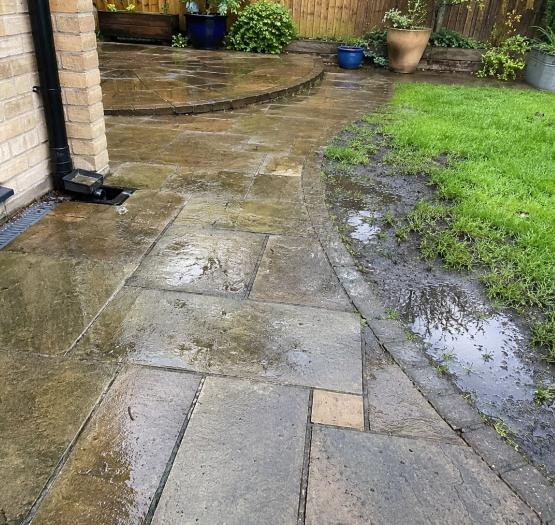
- Water pooling in the garden
- Surface water sitting around patios or paths
- Driveway drainage not clearing properly
- Rainwater gullies overflowing
- Wet or soft ground near the drainage area
- Water backing up during heavy rain
- Moss, algae, or damp patches around drainage points
- Slow rainwater drainage from downpipes
- Repeated flooding in the same part of the garden
- Bad smells near external drainage points
- Soil or silt washing into drains
- Water collecting close to the property
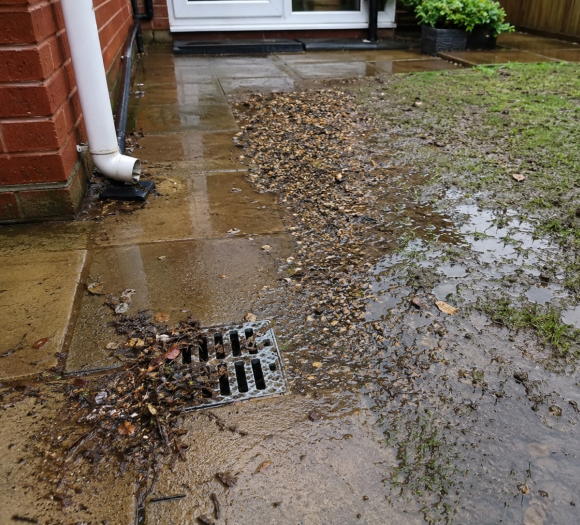
What Causes Soakaway Problems?
Common causes include:
- Silt and soil build-up
- Blocked rainwater pipes
- Leaves and garden debris
- Collapsed soakaway crates
- Poor soakaway positioning
- Undersized drainage capacity
- Compacted ground
- Incorrect installation
- Damaged pipe connections
- Heavy surface water load
- Tree roots affecting nearby pipework
- Lack of maintenance
Soakaway Inspection and Diagnosis
Proper diagnosis matters because surface water problems can come from several different sources. A blocked gully, damaged rainwater pipe, poor fall, or overloaded soakaway can all create similar symptoms.
Our engineers can inspect the drainage layout, check visible gullies and access points, assess rainwater flow, and identify signs of blockage, silt, collapse, or poor discharge.
Where needed, we may recommend further investigation using drain inspection equipment. This helps confirm whether the issue sits in the pipework leading to the soakaway or within the soakaway system itself.
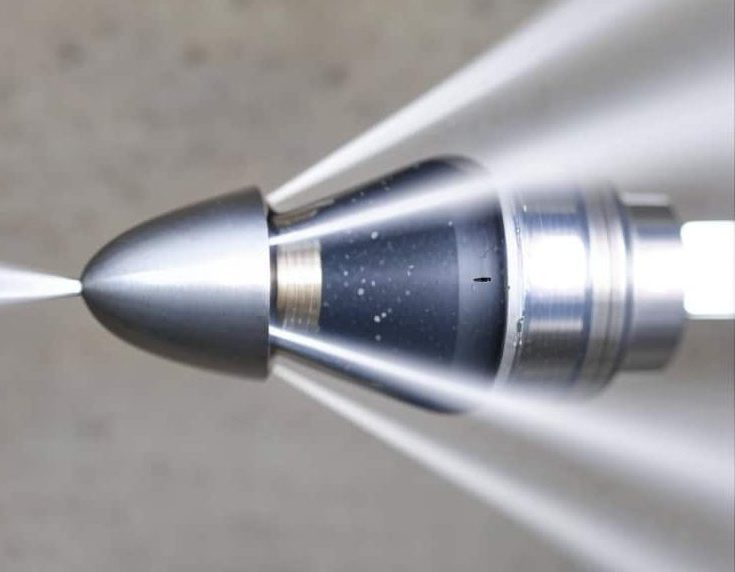
Blocked Soakaway Cleaning and Clearance
Depending on access and condition, this may involve:
- Clearing rainwater pipes
- Cleaning gullies
- Removing silt and debris
- Checking downpipe connections
- High-pressure jetting where suitable
- Inspecting pipework for damage
- Testing drainage flow after clearance
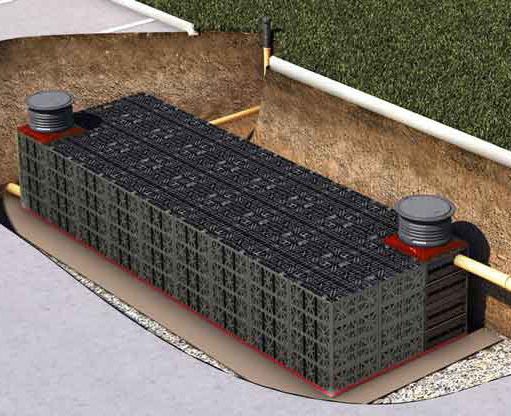
Soakaway Installation and Replacement
Some properties need a new soakaway system because the existing one is damaged, undersized, poorly located, or no longer draining properly.
Drains24 can advise on soakaway installation and replacement where suitable. The right solution depends on the property layout, available space, water volume, ground conditions, existing drainage, and how rainwater currently leaves the property.
A new or replacement soakaway may be considered when:
- The existing system has failed
- The soakaway is too small
- Garden flooding keeps returning
- Surface water has nowhere suitable to drain
- Rainwater drainage has been altered
- A previous installation was poorly designed
- Existing crates or pipework are damaged
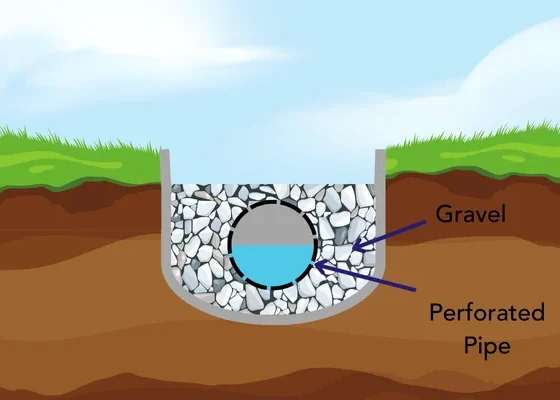
Surface Water Drainage for Gardens, Patios and Driveways
Surface water problems often affect gardens, patios, driveways, paths, and paved areas. If water cannot drain away properly, it may pool on the surface, create slippery areas, damage landscaping, or move towards the property.
We can help assess the source of the issue and recommend practical drainage options. This may include soakaway repairs, gully clearance, rainwater pipe inspection, drainage alterations, or improved surface water management.
For properties with new patios, extensions, garden rooms, or driveway changes, it is especially important that rainwater drainage is handled properly rather than being left to overload old pipework or unsuitable ground.
Why Choose Drains24 for Soakaway Repairs in Twickenham
Clear Drainage Diagnosis
Repairs Before Replacement
Surface Water Drainage Advice
Suitable Installation Guidance
Domestic and Commercial Support
Improve Your Surface Water Drainage
Need soakaway repairs in Twickenham? Drains24 can inspect the issue, clear connected drainage where suitable, and advise whether your soakaway needs repair, replacement, or a different drainage solution.
Call today for soakaway repairs, blocked soakaway checks, rainwater drainage help, garden flooding support, and surface water drainage advice.
Frequently Asked Questions (FAQs)
Common signs include standing water, garden flooding, overflowing gullies, slow rainwater drainage, wet ground near the drainage area, and surface water that remains long after rainfall.
Sometimes, yes. If the issue is caused by blocked pipework, silt, leaves, or debris, clearance may improve the system. However, if the soakaway has collapsed, is undersized, or is badly positioned, replacement may be needed.
Yes. Drains24 can advise on new soakaway installation where suitable. The right approach depends on available space, ground conditions, rainwater volume, property layout, and the existing drainage system.
Garden flooding can be caused by poor surface water drainage, blocked gullies, compacted ground, damaged rainwater pipes, an overloaded soakaway, or a soakaway that no longer drains properly.
Yes. We can assess surface water drainage problems affecting driveways, patios, paths, gardens, and external areas. We can then advise on practical drainage improvements.
Yes. Soakaways and connected rainwater drainage can become blocked with silt, leaves, soil, and debris. Regular checks and clearance can help reduce the risk of failure, especially where flooding has happened before.